
A snapped key jammed in the lock can feel like a genuine emergency. Our technicians extract it carefully, often saving the lock itself from needing full replacement.
A key snapped inside the lock rarely comes out cleanly without the right tools. Our technicians extract it carefully, often preserving the existing lock rather than replacing it.
A snapped key gets urgent attention, with technicians dispatched to resolve it right away.
We prioritise extraction callouts, understanding a jammed lock can leave you stranded outside.
ID is shown before extraction begins, offering reassurance during an already stressful moment.

Forcing a key too quickly or roughly can cause it to snap inside the lock. This often happens during hurried moments when patience naturally runs short. Fair Locksmith technicians extract the broken piece carefully, avoiding further damage to the lock. This is one of the most common causes of snapped keys we encounter regularly. We handle every extraction with the care your lock genuinely deserves.
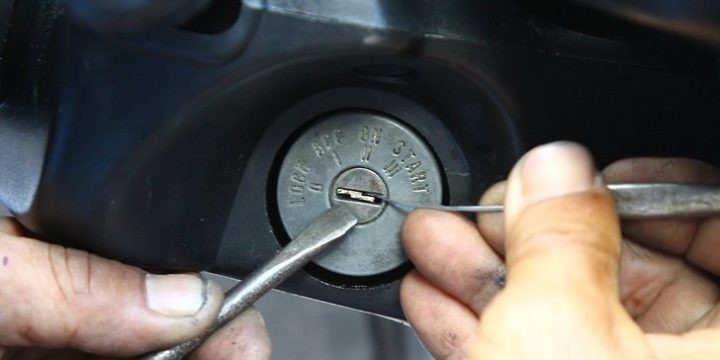
Cheaply made or ageing keys are more prone to snapping under normal, everyday pressure. Metal fatigue builds gradually, often without any obvious warning signs beforehand. Our technicians extract the broken fragment and can cut a sturdier replacement afterward. This issue is common with older keys that have seen years of regular use. We ensure your replacement key is built to last much longer.

Cold weather can make metal more brittle, increasing the chance of a key snapping. This seasonal issue catches many people off guard during particularly chilly mornings. Fair Locksmith responds quickly to extract broken keys, regardless of the weather conditions outside. It’s a more common occurrence during Reservoir’s colder months than most people realise. We get your lock working again without unnecessary delay or fuss.

Dirt or debris built up inside a lock can cause a key to jam and snap. This gradual buildup often goes unnoticed until it eventually causes a genuine problem. Our technicians extract the broken key and clean the mechanism thoroughly while there. This helps prevent the same frustrating issue from happening again in the near future. We leave your lock functioning smoothly once the extraction is complete.
There is a particular quality to the moment a key snaps inside a lock that makes it instantly memorable — the sudden change in resistance, the sickening give, and the realisation that what was in your hand a moment ago is now in two pieces, with the larger half in your fingers and the smaller half lodged somewhere inside your lock cylinder, completely out of reach. It is one of those moments where the situation goes from normal to genuinely problematic in an instant — and the instinct to solve it immediately, using whatever is to hand, is completely understandable but almost always counterproductive.
At Fair Locksmith, our broken key extraction service provides Reservoir residents and business owners with a fast, professional, and genuinely fair-priced solution to broken key situations across all lock types — from standard residential deadbolts on Reservoir’s family homes through to commercial cylinders, vehicle door locks, and the specialised hardware found across the suburb’s diverse property landscape. Our licensed technicians carry purpose-built extraction tools designed specifically for this precise task, apply techniques that preserve the lock cylinder’s internal integrity, and in the vast majority of cases remove the broken fragment cleanly without replacing the lock at all — saving you the cost and disruption of unnecessary hardware replacement.
A key breaking inside a lock is rarely a random event without contributing factors. Understanding what causes key breakage helps identify the underlying issues that, if not addressed after extraction, will eventually produce another breakage in the same lock:
Every key insertion and withdrawal cycle subjects the key blade to microscopic stress that accumulates gradually across thousands of daily operations. Over years of use, this accumulated fatigue weakens the key’s cross-section — particularly at the shoulder where the blade meets the bow — until the metal reaches its failure threshold. The breakage itself often feels sudden and unexpected, but the process that led to it began years earlier.
A lock cylinder that has developed internal wear, component misalignment, or corrosion from Melbourne’s variable climate places significantly greater rotational stress on the key during operation than a correctly functioning cylinder does. This additional stress dramatically accelerates key fatigue and increases breakage risk — which is why a key breaking inside a lock is sometimes the first visible indication of an underlying cylinder problem that warranted professional attention some time ago.
Attempting to force a stiff, resistant, or partially seized lock by applying more rotational force than the key can withstand is one of the leading causes of in-cylinder key breakage across Reservoir’s established housing stock. The key is always the mechanically weakest point between the hand and the lock mechanism — and when the lock is stiff enough that meaningful force is required, the key is already at risk.
A key whose cut profile has worn through years of use no longer aligns perfectly with the lock’s pin configuration — creating binding and partial engagement during operation that subjects the blade to abnormal lateral stress in addition to the normal rotational stress of key turning. This combination of stress types dramatically increases breakage risk compared to a correctly profiled key operating in a correctly aligned cylinder.
A replacement key cut on a blank that is close but not precisely correct for the lock’s keyway places the blade under abnormal stress every time it’s used — stress that accumulates over subsequent uses and eventually causes a breakage at the point of greatest misfit between the blade and the keyway profile.
Melbourne’s northern suburbs experience genuine winter cold that causes metal lock cylinders to contract slightly — increasing the friction between the key blade and the pin stack during operation. Attempting to force a cold-stiffened cylinder without first allowing it to warm, or applying de-icing product to a frozen cylinder, significantly increases breakage risk during winter months.
The moment a key breaks inside a Reservoir lock, most people’s immediate instinct is to attempt self-extraction using whatever is available. Understanding why this almost invariably makes the situation significantly worse helps explain why professional extraction is always the smarter, more cost-effective choice:
The most common DIY extraction attempt involves inserting something thin — a pin, a toothpick, a straightened paper clip — alongside the broken fragment and attempting to hook or push it out. In practice, anything inserted into the keyway alongside the fragment almost always pushes it further in rather than withdrawing it. Once the broken key fragment passes the first pin chamber, it becomes dramatically more difficult to extract and the risk of cylinder damage increases substantially.
When enough of the broken key is visible and protruding from the cylinder face to grip with pliers or tweezers, the temptation to pull it out directly is understandable. The problem is that the rotational stress required to withdraw a fragment bound in the keyway under normal key turning typically damages the cylinder face and keyway edges — turning a straightforward extraction into a cylinder replacement job.
The suggestion to apply superglue to a thin implement, bond it to the broken key fragment, and withdraw the fragment has circulated widely enough to become a common DIY attempt. In practice, this method rarely achieves the bond required for extraction and frequently deposits adhesive inside the lock cylinder — creating a new problem that is considerably more expensive to resolve than the original broken key situation.
Inserting any flat implement into the keyway that doesn’t match the key’s profile risks contacting and displacing the cylinder’s internal pin stacks — dislodging springs and misaligning pins in ways that render the cylinder inoperable even after the broken key fragment is successfully removed. A perfectly extractable broken key situation becomes a cylinder replacement when the pin stack is disturbed during a DIY extraction attempt.
Our technician begins by examining the broken key fragment’s position within the cylinder — assessing how deep it has penetrated, whether it is under rotational tension from mid-turn breakage, which direction the cut profile faces within the keyway, and whether any DIY extraction attempts have complicated the situation. This assessment determines the most appropriate extraction tool and technique for the specific fragment and cylinder combination.
If the key broke during turning — mid-rotation in the lock — the fragment will be held under tension by the cylinder’s pin stack pressing against the blade at its current rotational position. Before extraction can proceed, this tension must be carefully relieved using tension control tools that return the cylinder plug to its resting position without pushing the fragment deeper into the keyway.
Professional broken key extraction tools come in several designs — hooked extractors, serrated extractors, and spiral extractors — each suited to different fragment positions, key profiles, and cylinder configurations. Selecting the correct tool for the specific situation significantly increases extraction success and reduces the risk of cylinder damage during the procedure.
With the correct extraction tool selected, our technician inserts it carefully into the keyway alongside the broken fragment — guided by the keyway profile to avoid contacting the pin stacks — until the tool’s engagement feature is correctly positioned relative to the fragment’s cut edge or surface.
With the extraction tool correctly positioned, our technician applies controlled outward pressure to grip the fragment against the keyway wall and withdraw it smoothly and steadily. This step requires patience and a controlled technique — applying too much force or withdrawing too quickly risks losing grip of the fragment or damaging the keyway edges during withdrawal.
Once the fragment is removed, we inspect the cylinder thoroughly for any damage caused by the breakage itself or by any preceding DIY extraction attempts. We check pin stack integrity, keyway condition, spring seating, and overall cylinder operation before determining whether the lock can be returned to full service or requires professional cylinder replacement.
Following successful extraction, we assess the underlying cause of the breakage — cylinder wear, key profile wear, stiffness contributing to force application, or environmental factors — and provide honest advice on addressing it before a repeat breakage occurs. We then discuss replacement key options — whether a new key cut from the broken original, a re-keyed cylinder with fresh keys, or a complete cylinder replacement if the assessment reveals underlying damage that makes continued cylinder service inadvisable.
Our broken key extraction capability covers the complete range of lock and key types found across Reservoir’s residential, commercial, and automotive landscape:
Once we’ve extracted your broken key, addressing the conditions that contributed to the breakage significantly reduces the risk of it happening again:
A key that shows visible wear along the blade edge, feels rough during insertion, or requires noticeably more force to turn than it once did is a key approaching its failure point. Replacing it while it’s still intact costs a fraction of what a broken key extraction and potential cylinder replacement involves — and eliminates the risk of finding yourself locked out of your Reservoir home with a key fragment in the cylinder.
A lock that requires excessive force to operate is the most significant single predictor of future key breakage across Reservoir’s housing stock. Having a stiff lock professionally assessed — cleaned, lubricated, or repaired as appropriate — before it causes a breakage is always smarter than extracting a broken key after the force required finally exceeds what the key can withstand.
Always have replacement keys cut by a professional locksmith using the correct blank for your specific lock. A near-match blank that operates under abnormal stress from day one will fail sooner than a correctly profiled replacement — and the failure will almost certainly happen inside the cylinder when you’re in a hurry.
Reservoir’s cooler winter temperatures increase cylinder friction in ways that raise key breakage risk. Applying a small amount of graphite lubricant or an appropriate cylinder lubricant to external lock cylinders before Melbourne’s winter season reduces cold-weather friction and lowers the force required for reliable key operation.
Our broken key extraction service covers Reservoir and the surrounding northern Melbourne suburbs including Thomastown, Heidelberg, Preston, Bundoora, Lalor, Epping, Northcote, Coburg, Fawkner, and Mill Park. We come to your location fully equipped — completing most extractions and providing replacement keys in a single visit at a price that is genuinely fair for the skill the work requires.
Don’t attempt to extract it yourself and don’t assume the lock needs replacing before a professional has assessed it. Fair Locksmith provides fast, precise, and damage-free broken key extraction across Reservoir and the surrounding northern suburbs — with the specialist tools, the correct technique, and the honest pricing that a stressful situation genuinely deserves. Call us now and let our licensed technicians remove your broken key cleanly, assess the underlying cause accurately, and restore your lock to reliable service without unnecessary cost.
Same-Day Appointments Available

In most cases yes, using specialised tools designed for careful, precise extraction.
Avoid forcing anything further and contact us so we can extract it safely.
Yes, our technicians are equipped to work efficiently regardless of weather conditions.
Usually yes, and we can cut a replacement key on the spot afterward.
It's fairly common, particularly with older or worn keys under regular daily use.
